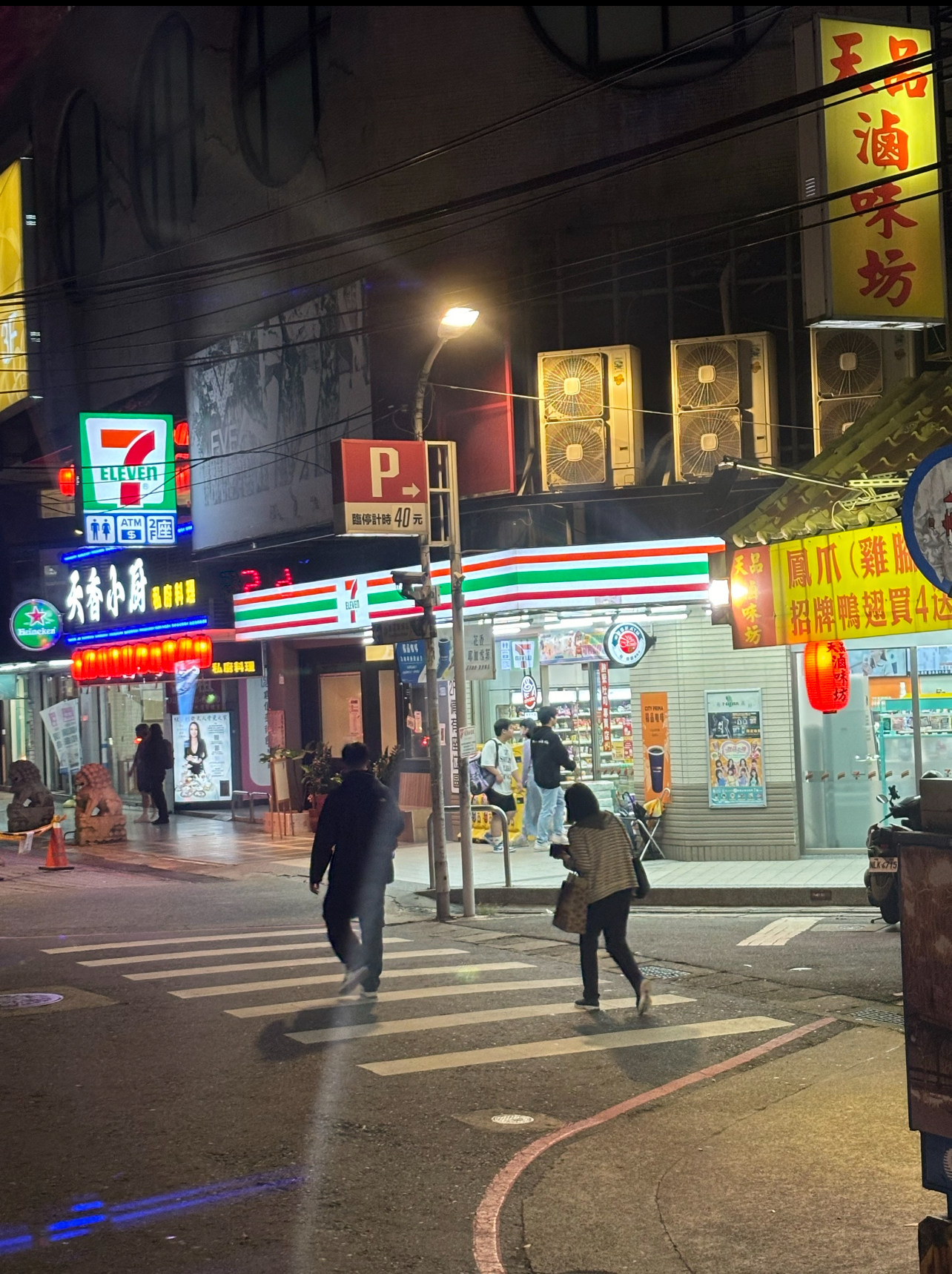
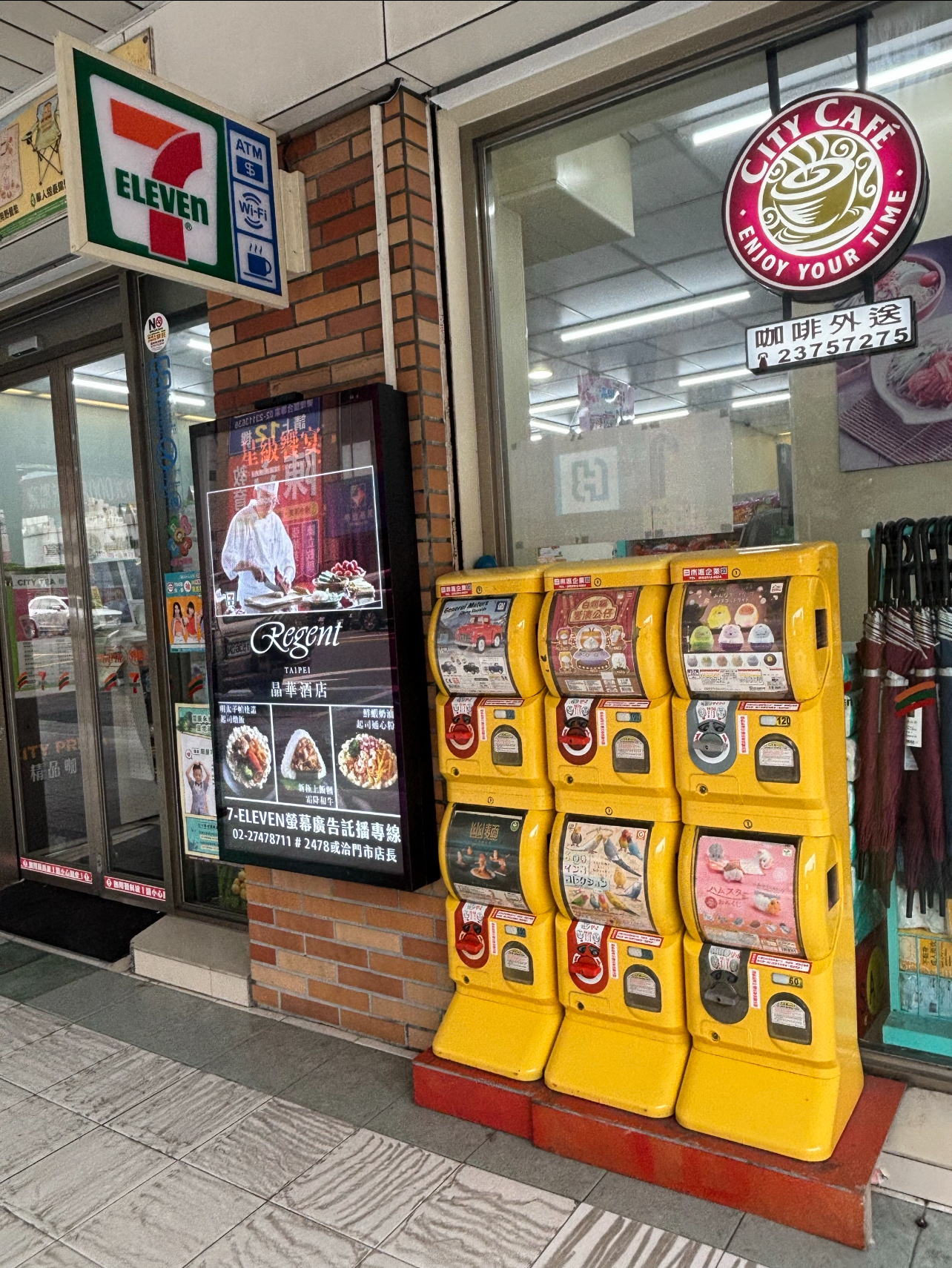
Note: There are an estimated 13,000 convenience stores in Taiwan and half of them are 7-Elevens. That means there is one 7-Eleven every 5.4 square kilometers on this Island. By comparison, there is one 7-Eleven every 1,036 square kilometers in the United States. To emphasize this point, there were THREE 7-Elevens within a ONE-BLOCK radius of our hotel in Taipei (take that Starbucks in Seattle)!
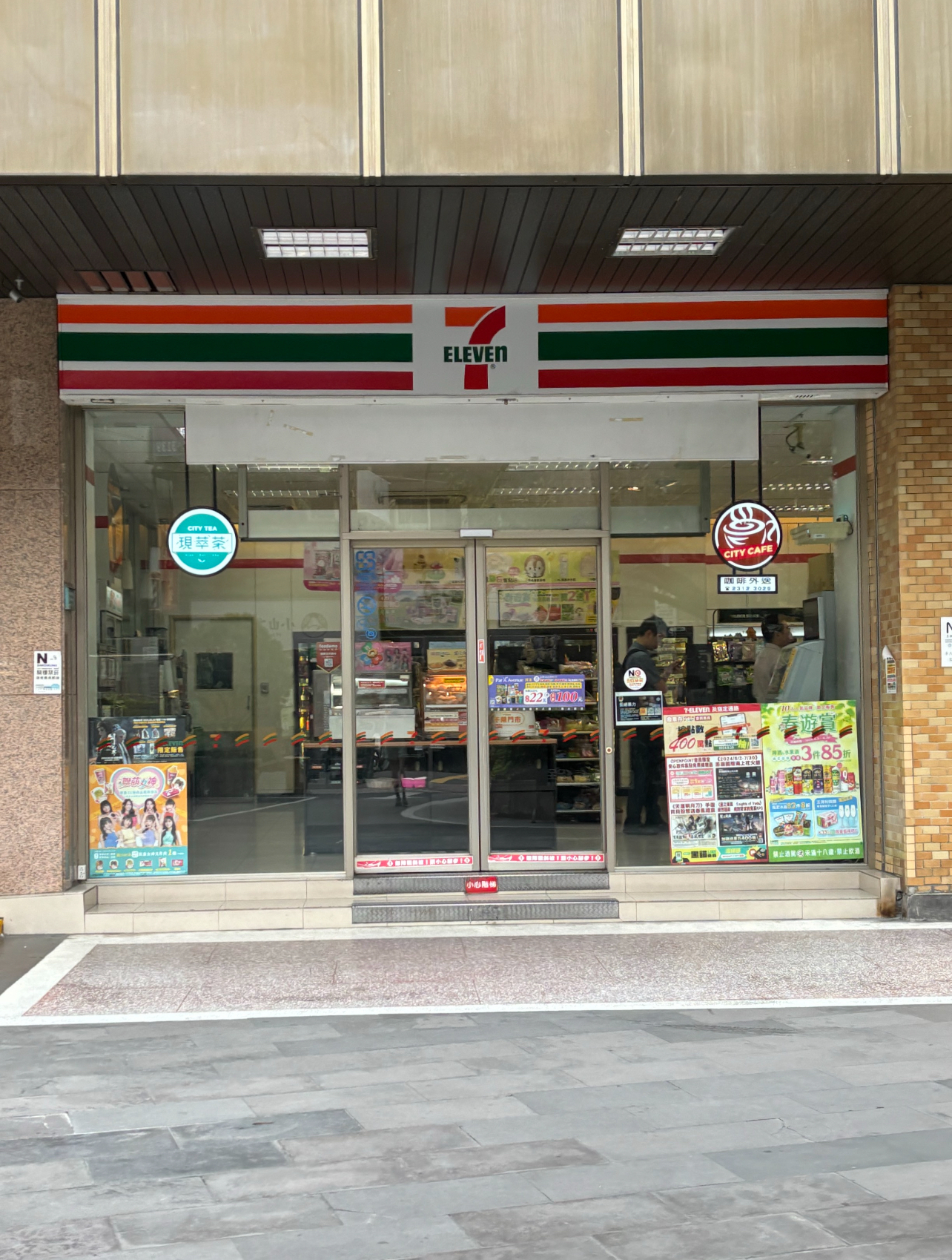
In Taiwan, 7-Eleven is a big part of the culture! You can find them almost anywhere. From street to street, a 7-Eleven can be found almost every two to three blocks in Taipei. While the stores can range in size, they all carry a variety of fun and delicious things. Want late night sushi? Not the stereotypical ones we get in the states, but freshly made Onigiri for $NT49, or about US$1.50.
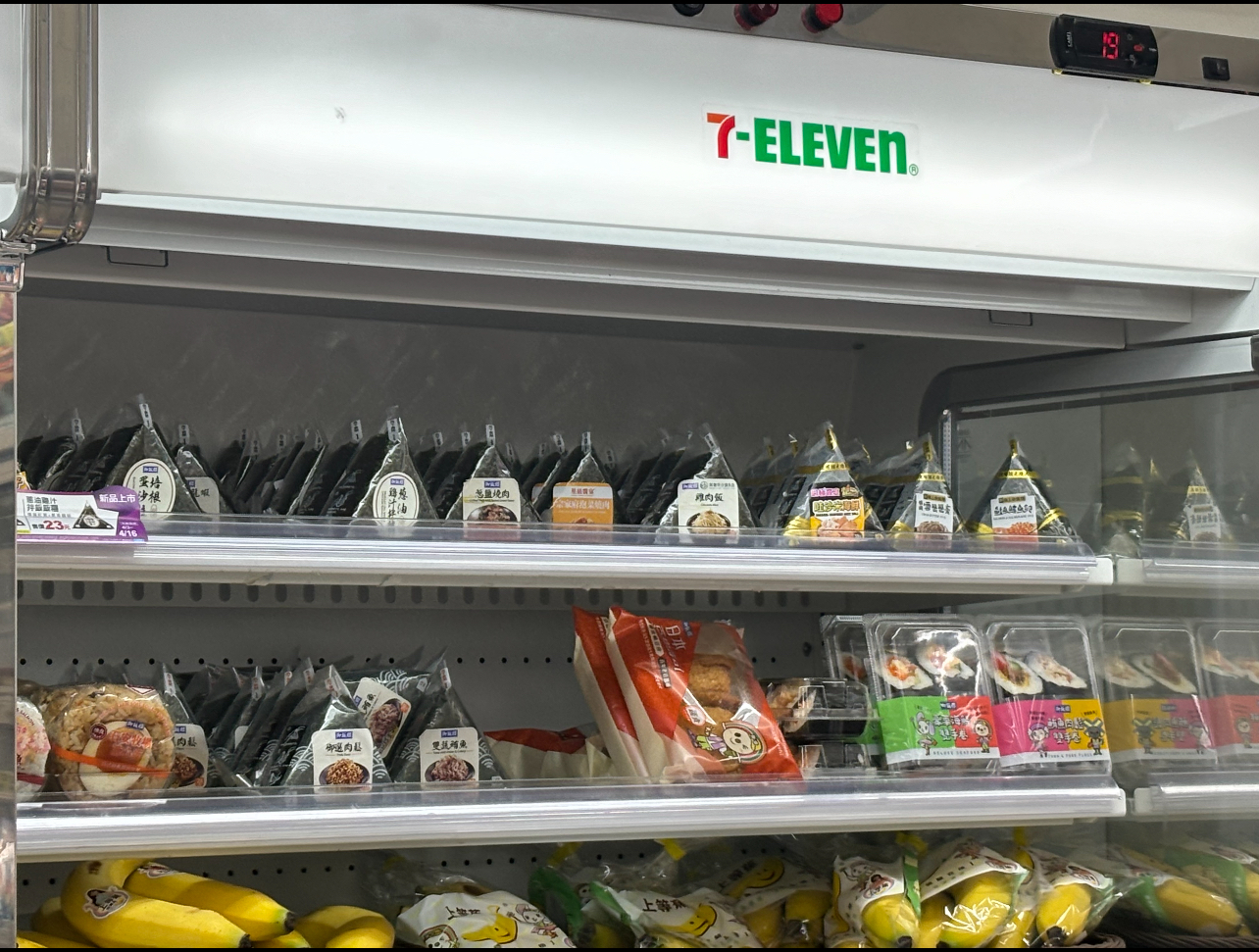
An enjoyable thing to get in these stores is the rice balls or other warm meals. As a breakfast item, my roommate and I got the rice balls from our local 7-Eleven since we were always late to wake up in the mornings trying to get ready. This was a quick and easy solution.
The inside of 7-Eleven isn’t the only cool thing. Outside of several of the stores you can also consider using your extra coins and change on Gacha machines. The Gacha machines in question consist of many things, but overall capsule toys are the main things waiting to be won. The toys can range from small fake money keychains to bigger plushies or figurines. It’s always fun buying a toy and wondering what you will get.



Leave a Reply