
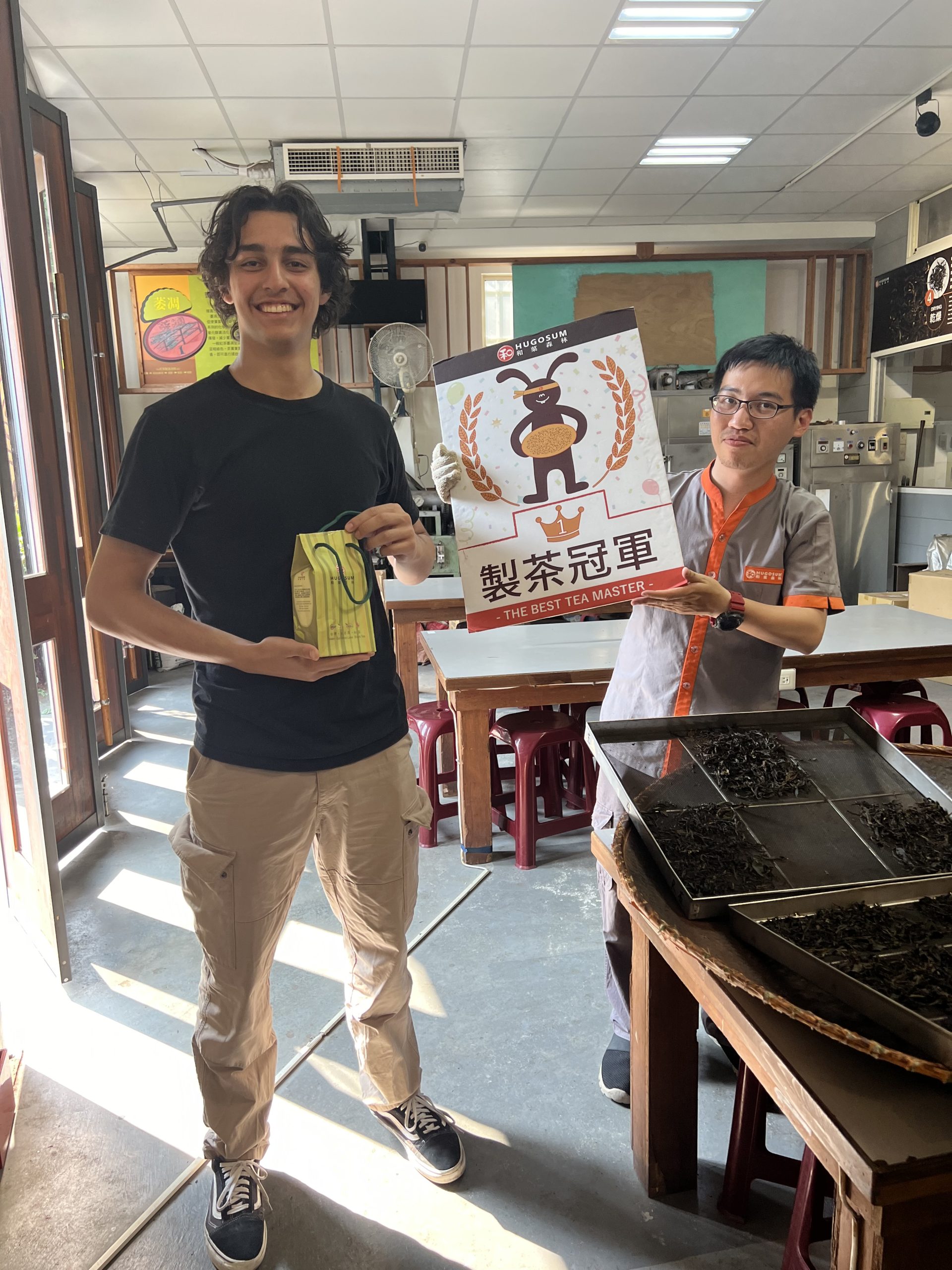
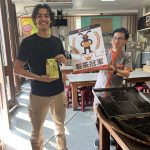
Note: In Renzo’s post, you will see that he starts of by saying, “After a day of activities”. Well, perhaps it’s just modesty, but we all got to create our own tea (from tea leaves to rolling to fermentation to drying). Our guide judged all 19 samples and guess who won? None other than Renzo! Congrats Renzo! His photo commemorating his hidden talents is shown on the title page.
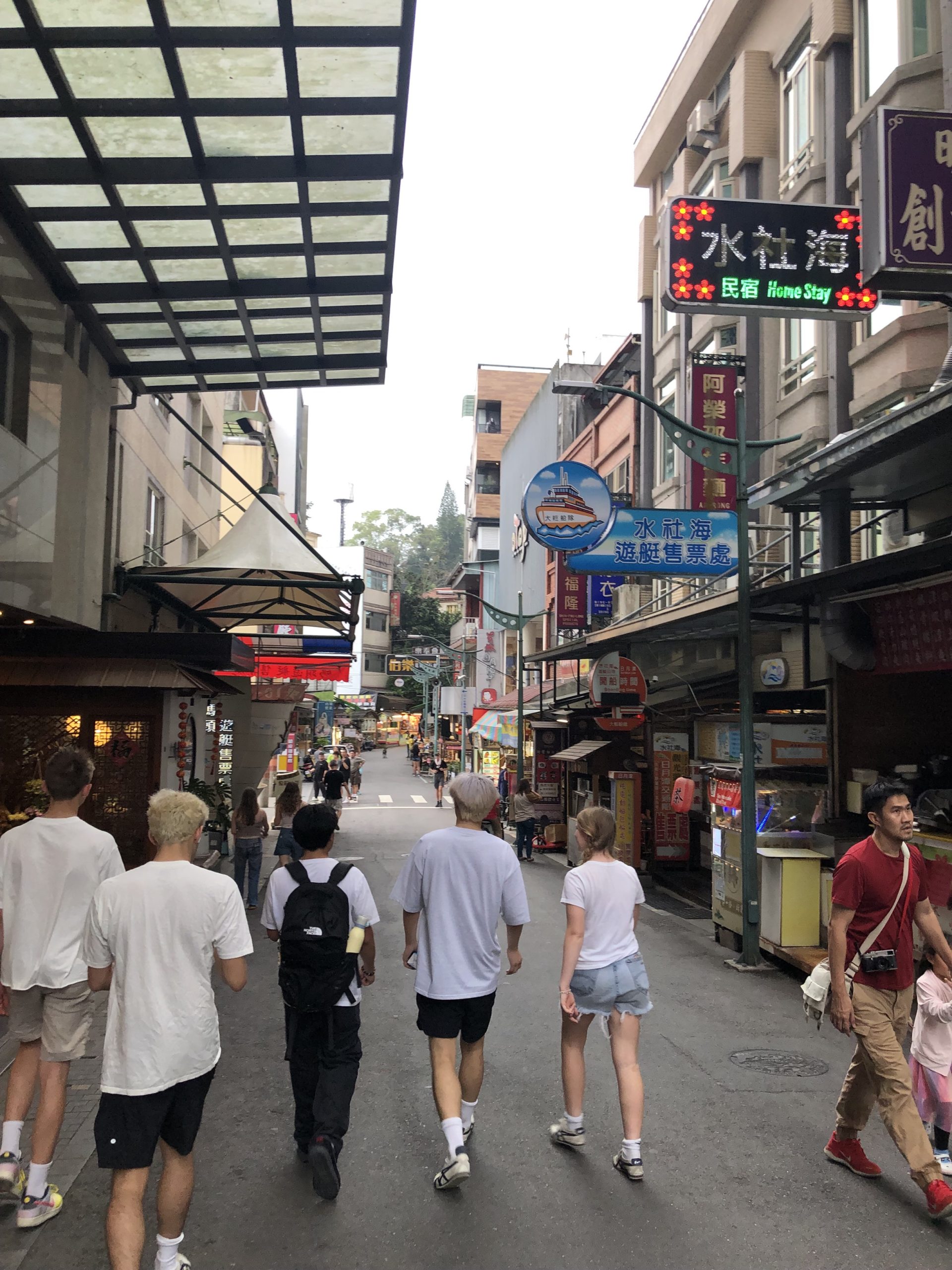
After a day of activities we arrived at our hotel next to sun moon lake. As we arrived in the afternoon we explored the small town that surrounds the lake. The town has many restaurants, convenience stores and various other shops. Me and a few of my friends ate at a Japanese restaurant by the water. The calm vibe of the small town accompanied by the beautiful view of the lake provides a relaxing atmosphere for anyone to enjoy.
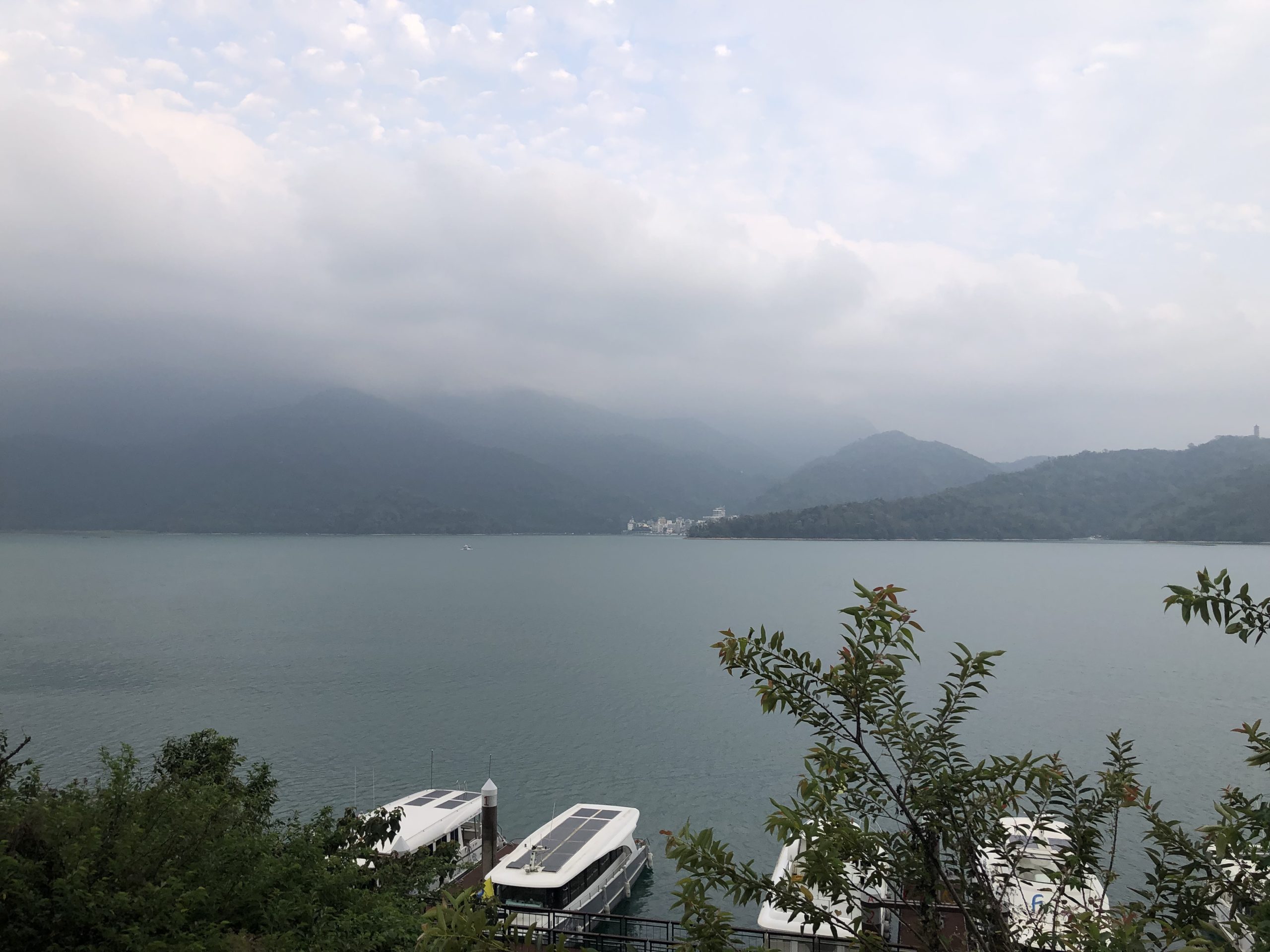
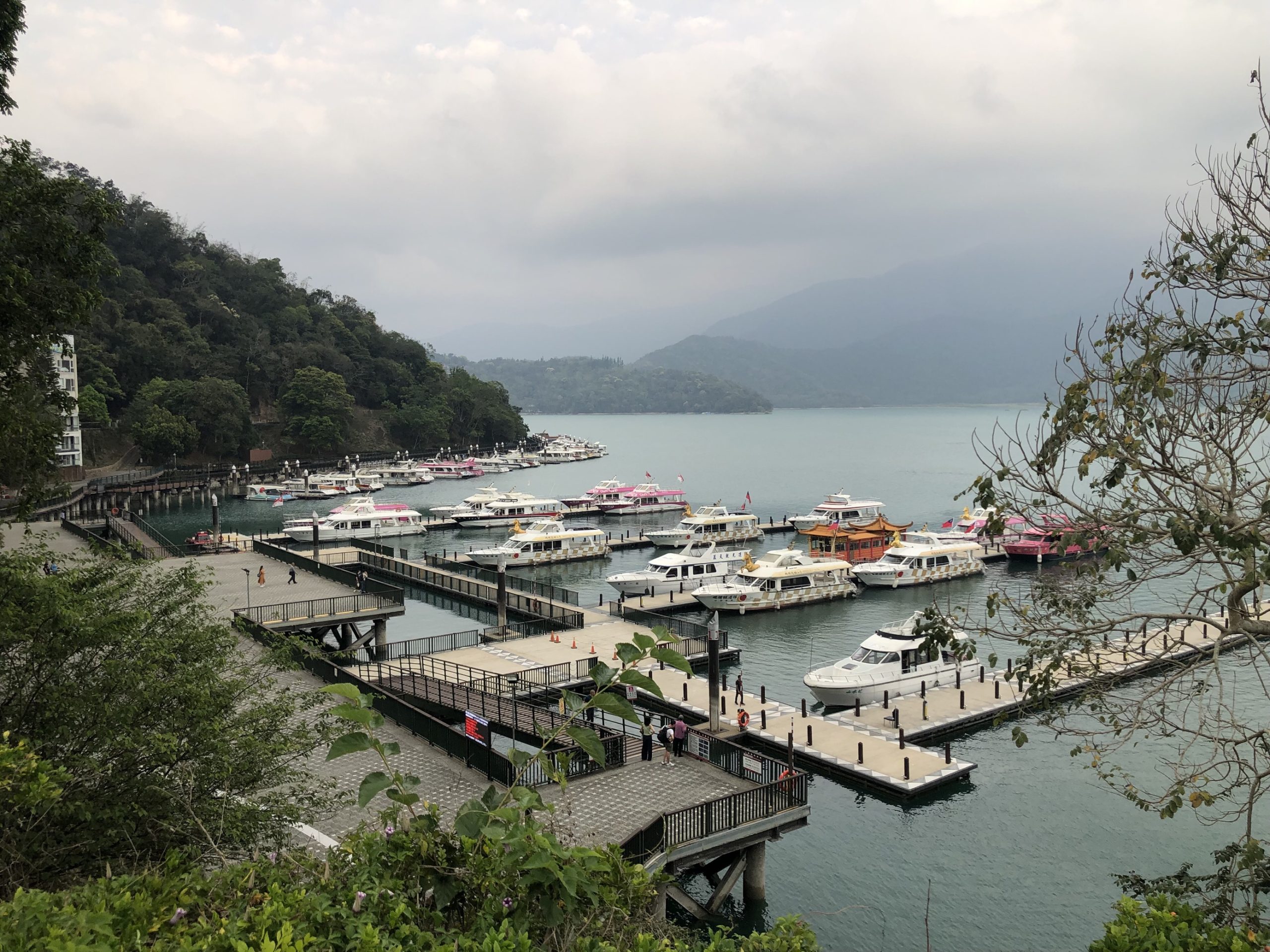
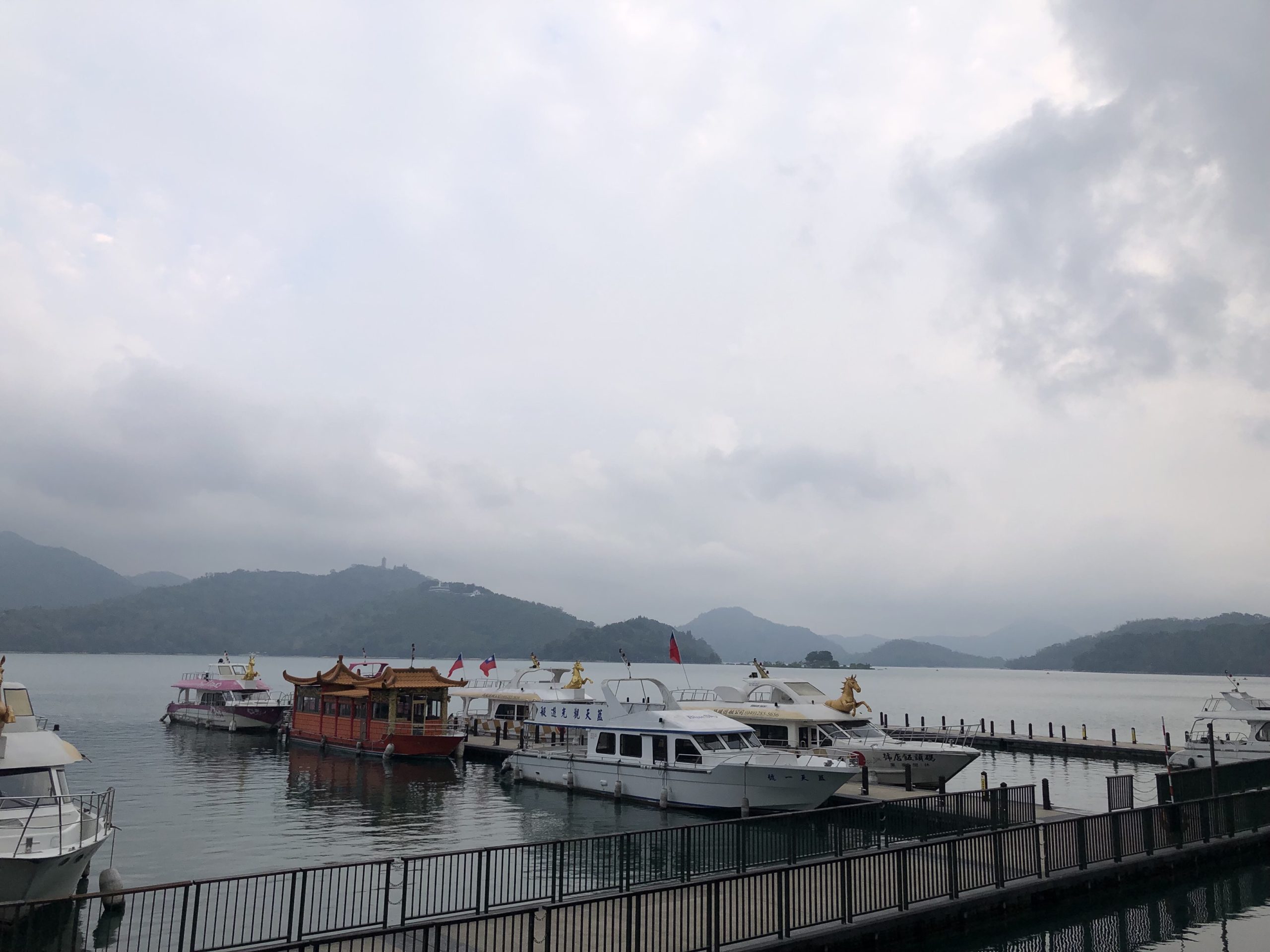
Sun moon lake is one of the most beautiful bodies of water in Taiwan and has a rich culture surrounding it. The aboriginal people living in Taiwan first discovered this lake and settled near it because of its abundance of fish. The island got its name from Lalu Island in the middle of the lake and how it separates the lake into a part shaped like a crescent moon and another part shaped like a round sun; thus, the name Sun Moon Lake. The lake is full with different types of fish and nowadays there is many boats and seafarers on the water.



Leave a Reply