Note: Day Six of our journey into Taipei not only marked the halfway point of our trip, but it was the day revolving around the modern art in Taipei. While we visited Sanxia and learned how to make Blue Dye patterns, Seven’s reflection focuses on the Yingge District and their contributions to ceramics
Day 6!
All about Ceramics!!!
As we’re able to explore Taiwan more and more, I find the presence of these “trade villages” interesting. The idea of having an entire village dedicated to the same business is unusual and impractical in the United States, but so far, undoubtedly common in Taiwan.
Thus far, we have visited Jiufen (old district – Japanese colonial era), Tamsui (waterfront, historical Qing-era buildings), Tonghua (night market), Dihua (traditional handicrafts), MaoKong (tea), Sanxia (Blue Dye) and Yingge (Ceramics)
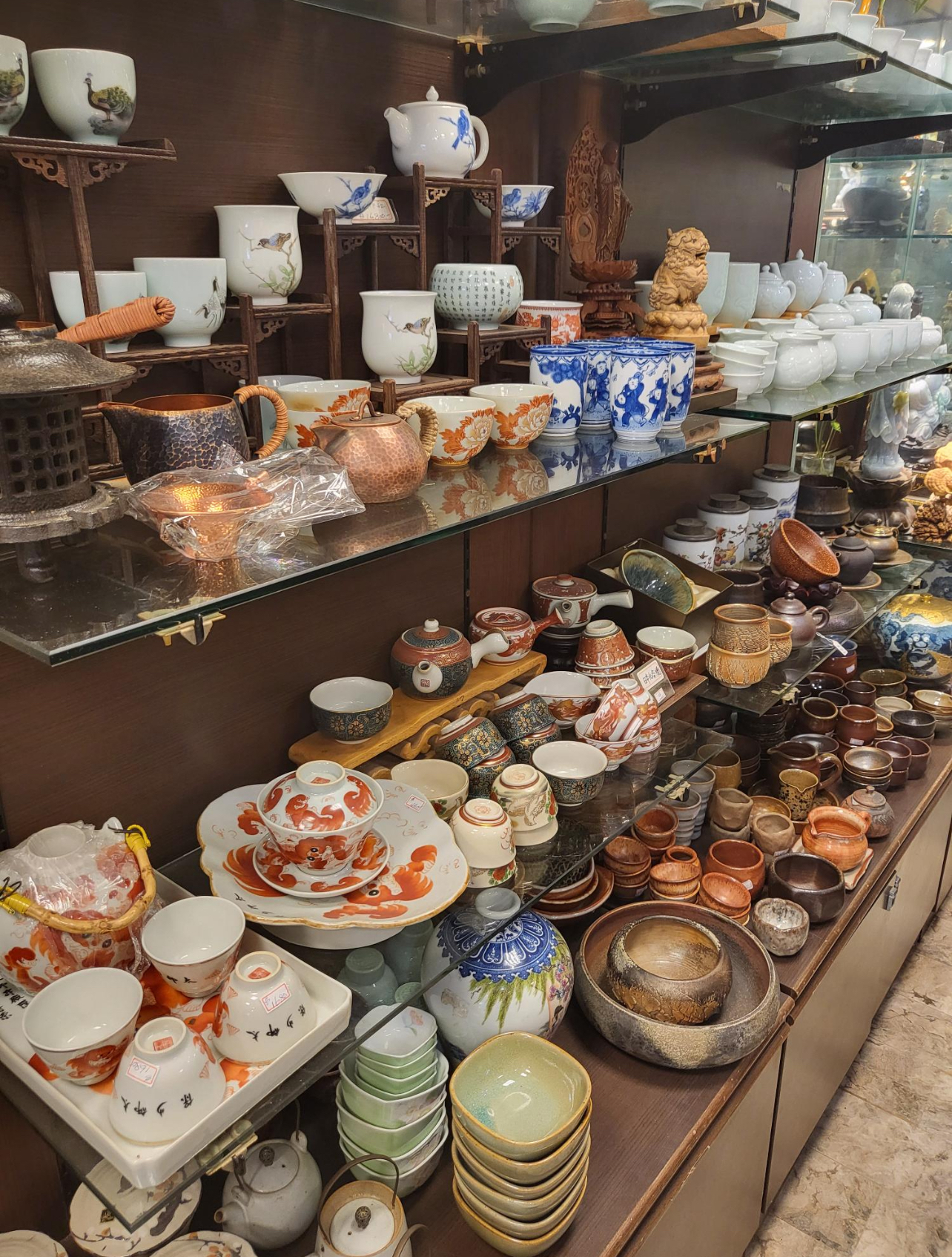
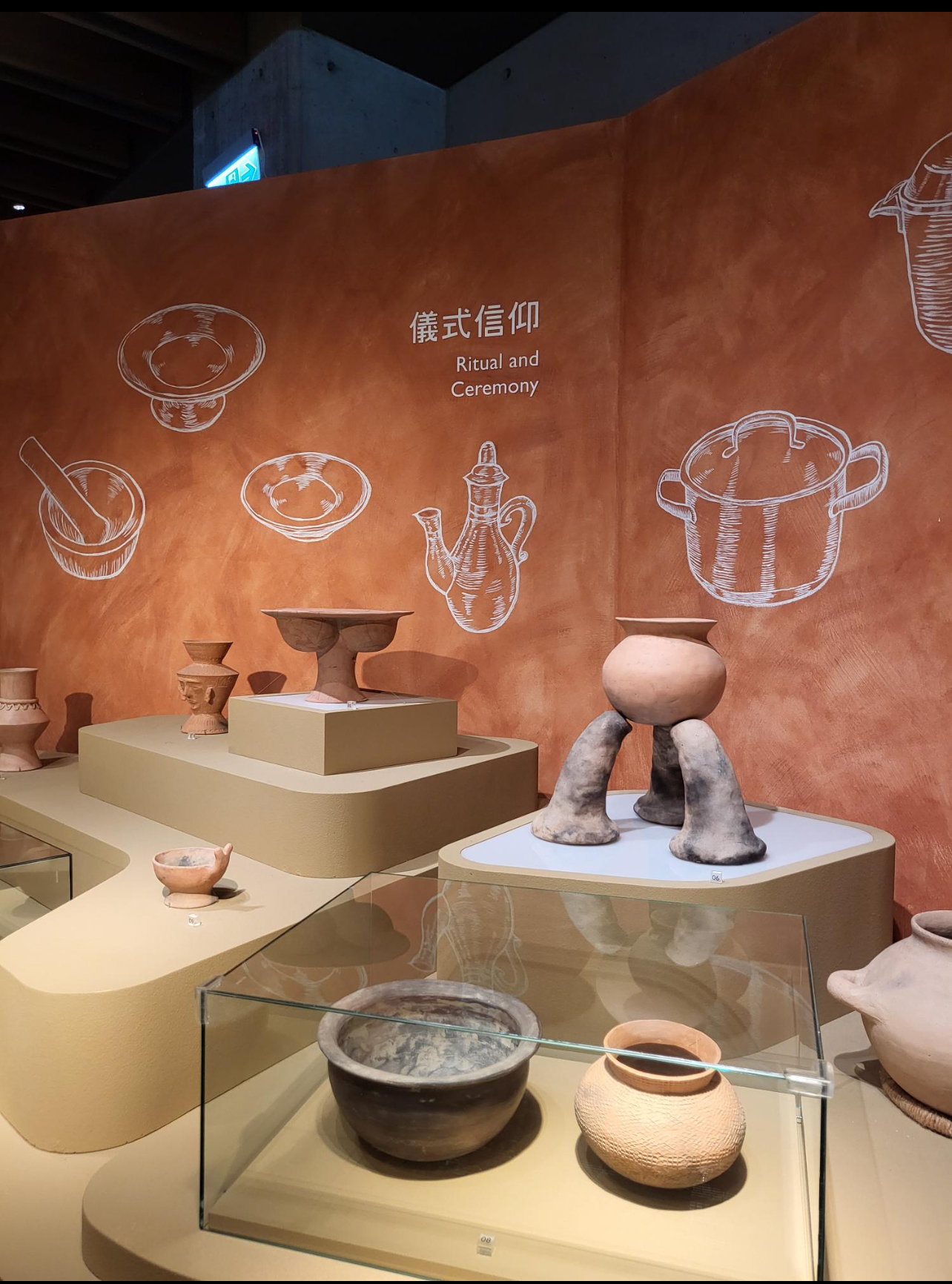
After the mountains of MaoKong, we trekked to the City of Ceramics “Yingge”!
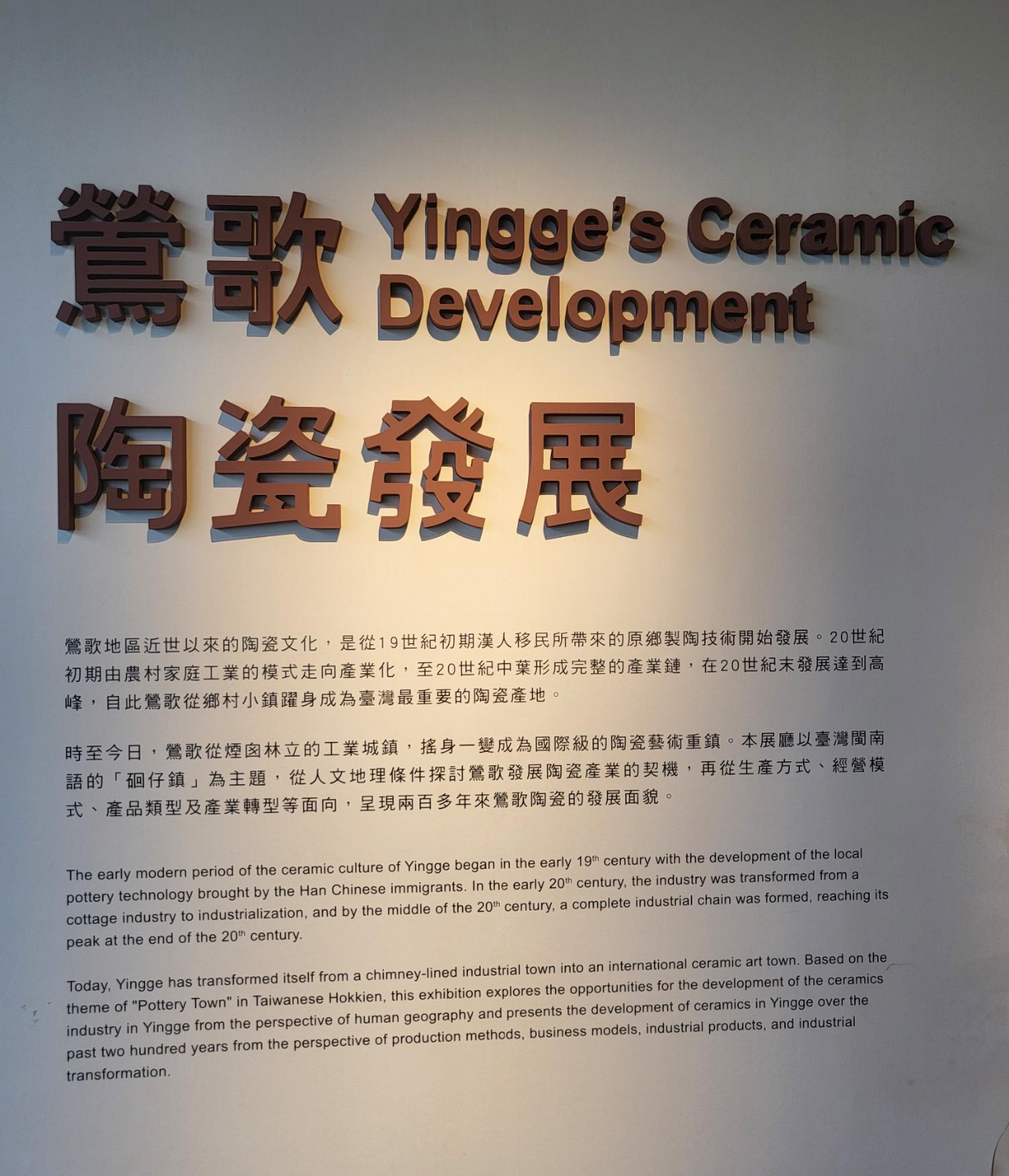
It’s always a rewarding experience to see a craft well executed with such pride by the people who’ve perfected it. The village and museum provided a well rounded and visually beautiful experience between the history of ceramics and the modern day craft. I was able to take home a gorgeous tea set (across several districts and bus rides all throughout the day)! I will cherish it, though I did have to forgo anything as ornate as many of the teapots in the museum.
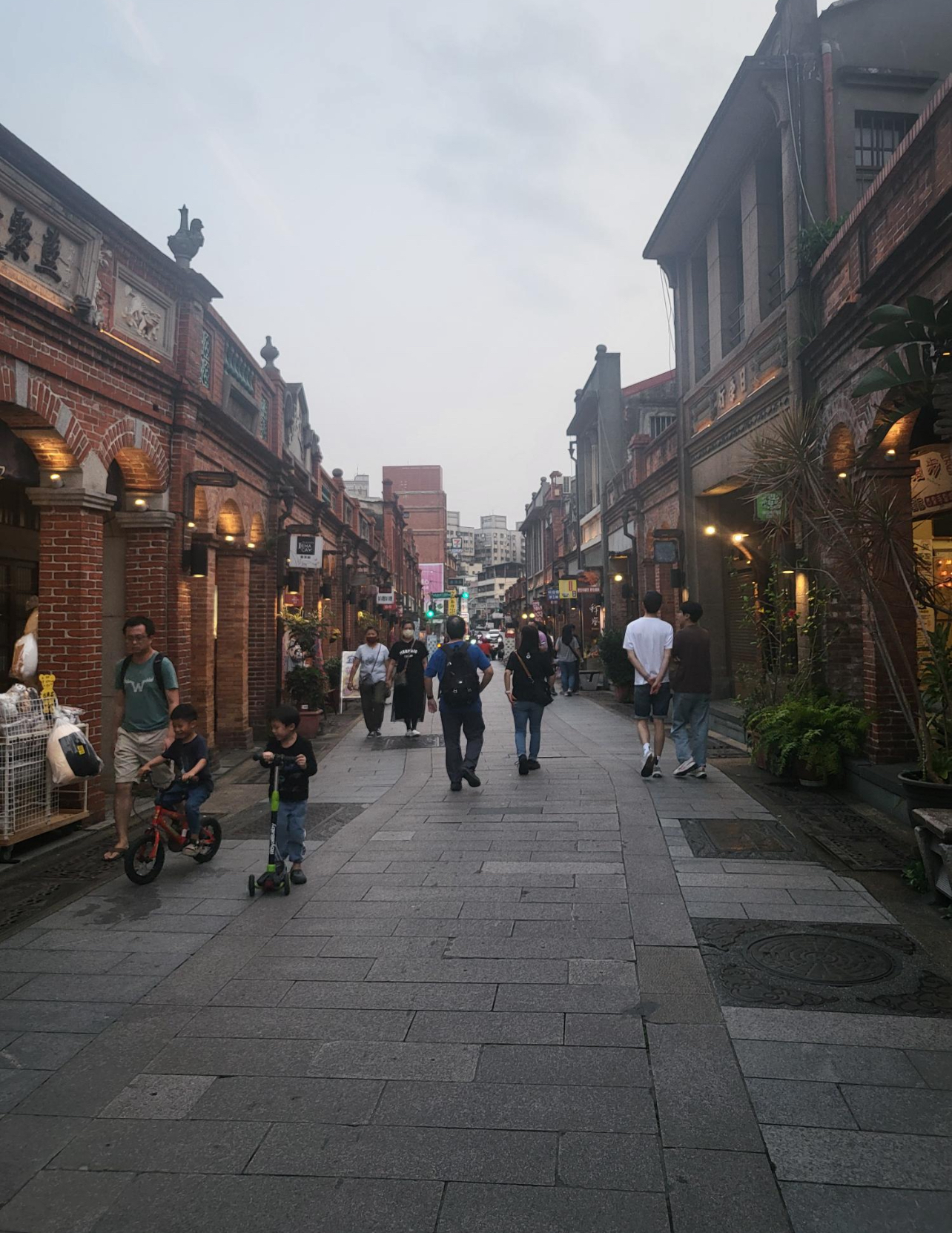
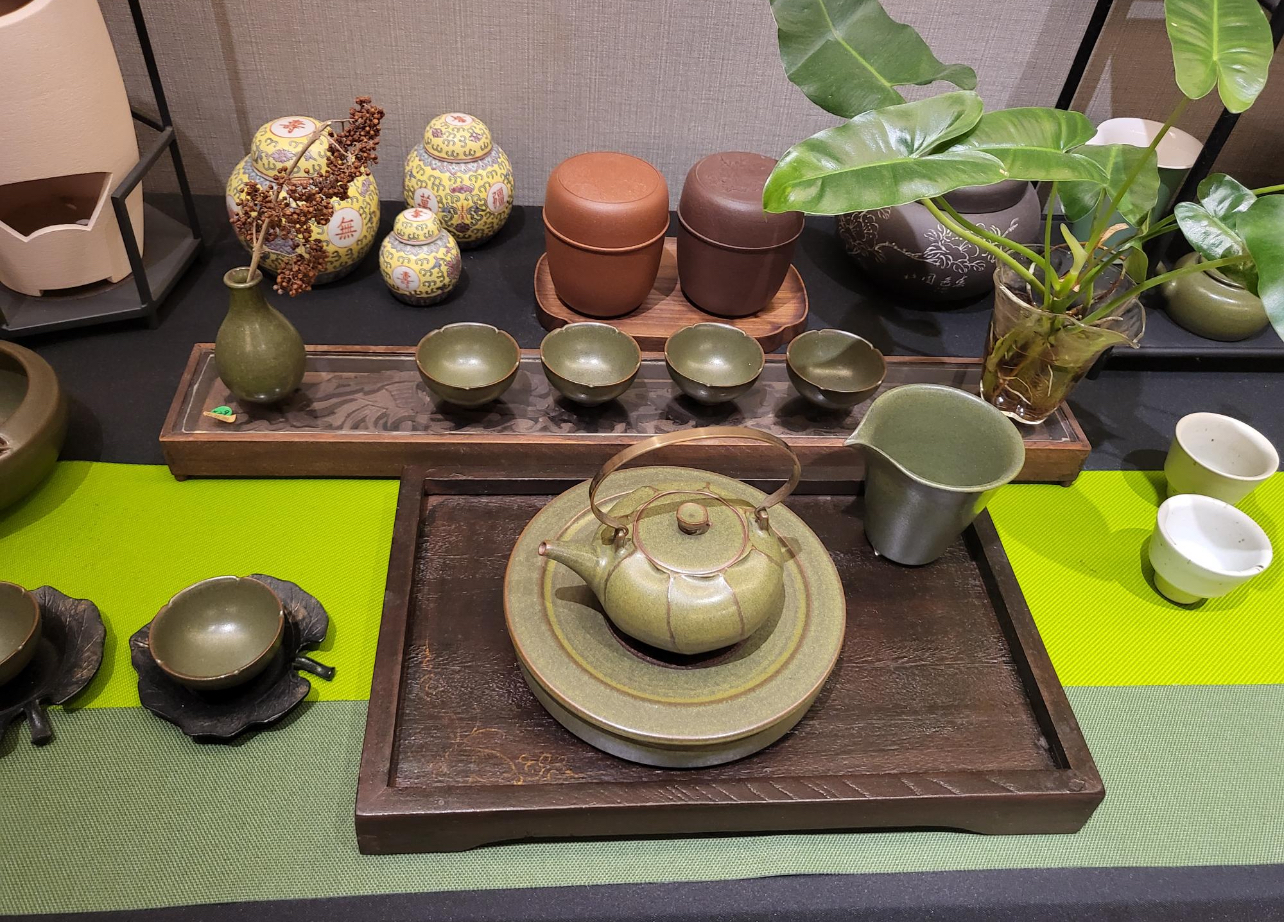
Another wonderful day concluded, with our minds undoubtedly richer but our wallets most certainly poorer!


Leave a Reply